
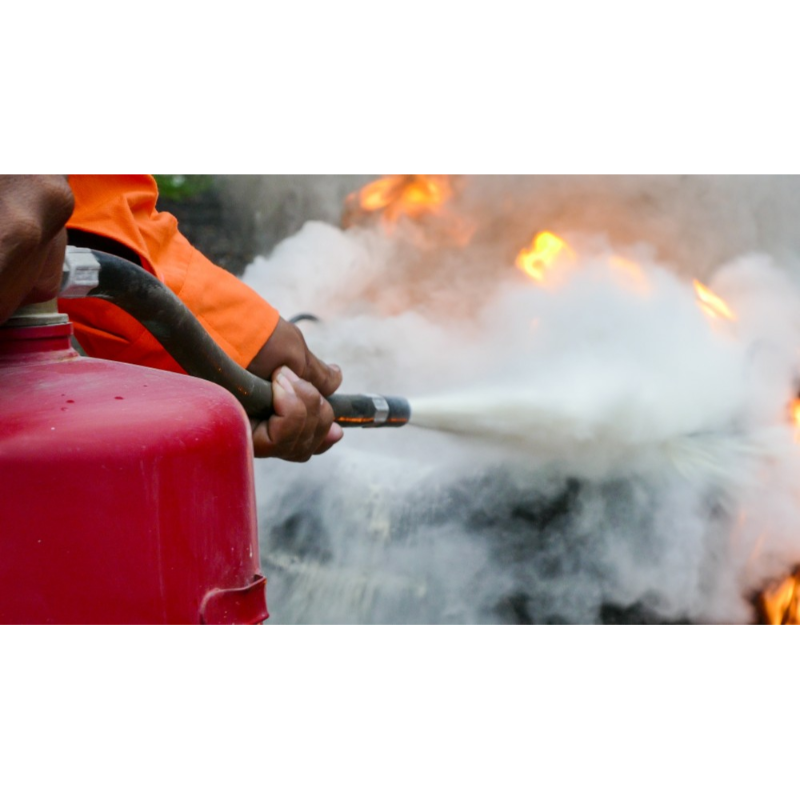
Fire Safety in MEP Design: Protecting People and Property
Welcome to Reckon Consulting Engineers, where we are dedicated to providing innovative MEP design, consulting, and project management services. In today’s blog, we delve into the critical topic of fire safety in MEP (Mechanical, Electrical, and Plumbing) design. It’s not an exaggeration to say that fire safety is at the heart of any building’s integrity and the well-being of its occupants.
Understanding the Importance of Fire Safety
The Significance of Fire Safety in Building Design
Fire safety is not an optional consideration; it is a fundamental requirement. In addition to the legal obligations, it plays a crucial role in protecting the lives of building occupants and preserving property. Fire safety ensures that when a fire does occur, it can be contained and managed effectively.
The Legal and Ethical Responsibility
Engineers, architects, and builders have a moral and legal obligation to design and construct buildings with fire safety in mind. This means adhering to national, international, and local fire safety codes and standards.
The Human and Financial Costs of Fires
The consequences of neglecting fire safety are profound. Fires can result in loss of life, severe injuries, property damage, and financial repercussions. Proactive fire safety measures prevent these devastating outcomes.
Fire Safety Codes and Standards
National Fire Protection Association (NFPA) Standards
NFPA standards are widely recognized and followed in the field of fire safety. They cover everything from fire suppression systems to emergency exit requirements.
International Building Code (IBC) Regulations
The IBC provides comprehensive regulations for building safety, including fire safety measures. Compliance with IBC is often a legal requirement.
Local Building Codes and Fire Safety Requirements
Local authorities may have specific building codes and fire safety requirements. It’s essential to stay updated with these regulations when designing and constructing buildings.
Fire Safety Systems in MEP Design
Fire Suppression Systems
- Sprinkler Systems: Automatic sprinkler systems are among the most effective fire suppression tools. They release water to control or extinguish fires.
- Clean Agent Systems: These systems use specialized agents to suppress fires without causing water damage.
Fire Detection and Alarm Systems
- Smoke Detectors: Smoke detectors sense the presence of smoke and provide early warning.
Heat Detectors: Heat detectors activate when they sense a rapid temperature increase, even before smoke is produced.

Smoke Control and Evacuation Systems
Effective smoke control and evacuation systems are vital in ensuring the safety of occupants during a fire. Properly designed systems prevent the rapid spread of smoke and provide clear exit routes.
Designing for Fire Safety
- The Role of MEP Engineers: MEP engineers are at the forefront of integrating fire safety into building design. They ensure that fire protection, detection, and suppression systems are seamlessly incorporated.
- Fire Safety Considerations in HVAC Design: Heating, ventilation, and air conditioning (HVAC) systems can contribute to fire risk if not designed and maintained properly. MEP engineers mitigate these risks through design considerations and regular inspections.
- Electrical System Design for Fire Prevention: Faulty electrical systems can be a fire hazard. Proper electrical design, including the selection of fire-resistant materials, helps prevent electrical fires.
- Plumbing and Fire Protection Systems: Plumbing systems play a role in fire protection through the provision of water for suppression systems. A well-designed plumbing system is essential for ensuring adequate water supply in case of a fire emergency.
Fire Safety and Sustainable Design
- Sustainable building designs should not compromise fire safety. Engineers find innovative ways to incorporate sustainability while maintaining fire safety standards.
- Efficiency is a crucial consideration in MEP design. MEP engineers balance energy efficiency with fire safety to create environmentally responsible and secure buildings.
- Advancements in fire suppression and prevention technologies allow for more sustainable and environmentally friendly solutions.
Case Studies in Fire Safety
- We examine cases where the integration of fire safety systems played a critical role in minimizing damage and ensuring occupant safety.
- Complex structures pose unique fire safety challenges. We explore how engineers address these challenges effectively.
- Real-world examples demonstrate the tangible impact of robust fire safety measures. We highlight instances where these measures saved lives and property.

Reckon Consulting Engineers and Fire Safety
Our Commitment to Fire Safety in MEP Design
At Reckon Consulting Engineers, we are deeply committed to fire safety. Our MEP designs prioritize fire safety, and our engineers ensure that all projects adhere to the highest safety standards.
Expertise in Consulting for Fire Safety
Our experienced team provides expert consulting on fire safety, helping clients navigate complex regulations and design solutions that enhance safety.
Project Management Services for Fire-Safe Building Construction
We offer comprehensive project management services that include meticulous planning and oversight to ensure that all aspects of a building project, including fire safety, are executed flawlessly.
Conclusion
In conclusion, fire safety is non-negotiable in the world of MEP design. It is a collective responsibility that involves designers, engineers, and builders, and it is vital for protecting lives and property. At Reckon Consulting Engineers, we take this responsibility seriously, prioritizing fire safety in every project to ensure the well-being of building occupants and the preservation of property.